Footwear Inspection Checklist & Quality Control Guide (2026) | Third-Party Inspection in Vietnam
Footwear Quality Control: Why Every Pair Matters
Global footwear exports exceeded USD 155 billion in 2023, with China, Vietnam, and Indonesia as the world’s largest producing nations. For brands importing athletic shoes, leather dress shoes, sandals, boots, or children’s footwear, footwear quality control is a critical safeguard against the industry’s most common pain points: sole delamination, size inconsistency, color bleeding, and chemical non-compliance.
A single footwear shipment failure—especially in children’s shoes where CPSC and EN 13637 standards apply—can result in immediate recalls, Amazon ASINs suspended, and retailer chargebacks averaging 8–15% of shipment value. VIS Global’s footwear inspection quality control service protects brands at every production stage.
Key Checks in Footwear QC Inspection
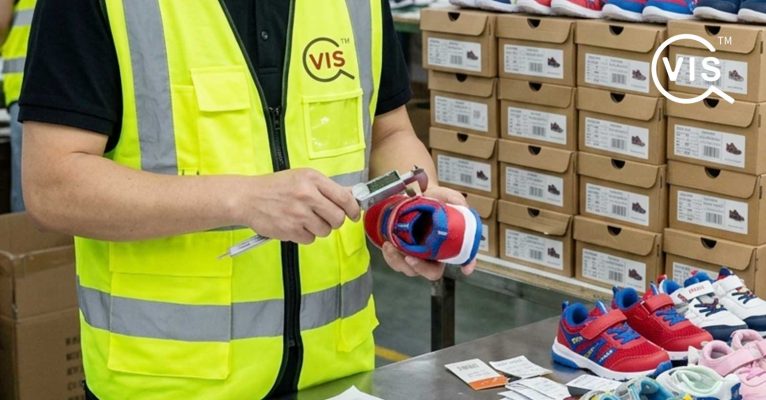
| Check Category | Specific Tests |
| Workmanship | Stitching quality, adhesive evenness, no loose threads |
| Sole Bond Strength | Peel force test per ISO 17708 (minimum 3.5 N/mm) |
| Upper Material | Leather grain uniformity, synthetic fabric pilling |
| Size & Last Conformity | Insole length, width, height vs. buyer’s last |
| Color & Finish | Color fastness to perspiration per ISO 105-E04 |
| Labeling & Compliance | CE, CPSC, REACH azo dye check referral |
VIS Global Footwear Inspection Process
Pre-Production Footwear QC
Inspectors verify upper materials, outsole compounds, last conformity, and adhesive compatibility before mass cutting and stitching begins. This footwear pre-production inspection identifies 70% of potential defects at a fraction of the cost of end-line rework.
During Production Footwear Inspection
Mid-line quality control for footwear focuses on stitching consistency, lasting quality, and sole press alignment. VIS inspectors work alongside the production team to document deviations in real-time.
Pre-Shipment Footwear Inspection
The most requested service. Full AQL 2.5 sampling of finished footwear including pair matching, box marking, size distribution verification, and sole delamination peel tests.
Case Study: Children’s Boot Size Grading Failure — Vietnam Factory
A US children’s footwear brand ordered 35,000 pairs of winter boots from a Ho Chi Minh City factory. VIS Global’s footwear inspection quality control team discovered that 9.3% of size US7T boots measured 2mm shorter than spec—a critical issue for CPSC compliance and fit returns. Additionally, ink bleeding was detected on 4% of units.
The supplier re-graded all boots using corrected lasts and re-ran ink testing on affected units. Corrected re-inspection passed at AQL 2.5. The brand avoided an estimated USD 95,000 in returns and Amazon penalty fees. The footwear inspection fee? Less than USD 1,200—a 79x ROI.
FAQ
What standards apply to children’s footwear imports to the US and EU?
US imports must comply with CPSC regulations. EU footwear must meet EN 13637, REACH, and Directive 2011/65/EU (RoHS for electrical components in smart shoes). VIS Global inspectors are trained on all applicable footwear compliance standards.
Can VIS Global test adhesive bond strength on-site?
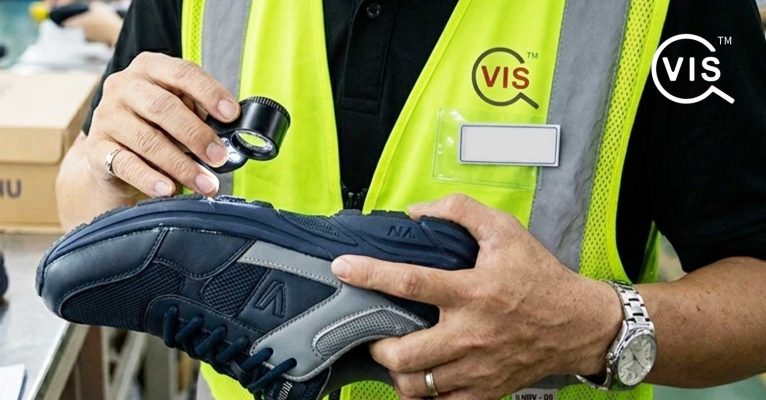
VIS Global inspectors use portable peel test equipment for on-site sole bond strength measurement as part of our standard footwear QC service.
Take action today
Partner with VIS Global Quality Control to secure consistent quality from your first shipment. 24-hour response – fast, reliable, and tailored to your supply chain
info@visGL.com