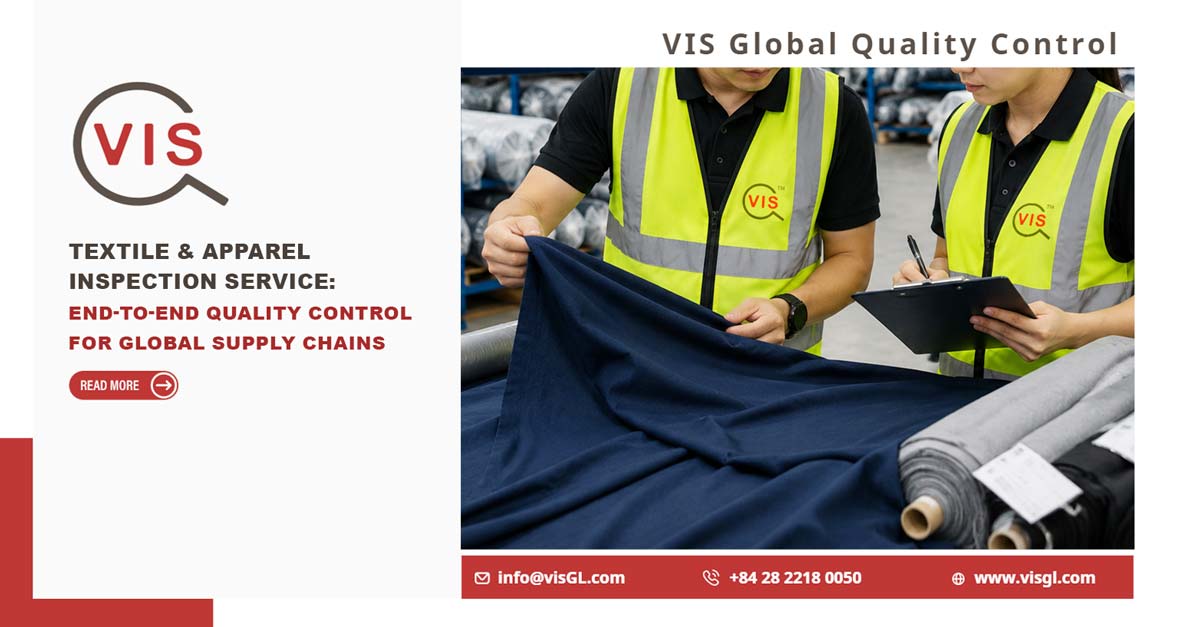
Textile & Apparel Inspection Service: End-to-End Quality Control for Global Supply Chains
Textile & Apparel Inspection Service – Ensuring Consistent Garment Quality from Factory to Market
In today’s highly competitive global apparel market, quality is no longer optional—it is a strategic requirement. A single defect in stitching, sizing, or fabric can lead to shipment rejection, costly returns, and long-term brand damage.
A professional textile & apparel inspection service enables importers, retailers, and sourcing teams to maintain strict quality standards across their supply chain. By implementing structured garment inspection, textile quality control, and third-party inspection, businesses can significantly reduce risks and improve buyer confidence.
What Is Textile & Apparel Inspection Service?
Textile & apparel inspection service refers to a systematic quality control process applied to garments, fabrics, and fashion accessories at different production stages.
Core inspection stages include:
- Pre-Production Inspection (PPI) – raw materials and factory readiness
- During Production Inspection (DUPRO) – in-line quality monitoring
- Final Random Inspection (FRI) – finished goods evaluation
- Pre-Shipment Inspection (PSI) – shipment approval before dispatch
Key objectives:
- Ensure compliance with AQL standards
- Detect defects early in production
- Minimize claims, returns, and recalls
- Protect brand reputation and consistency
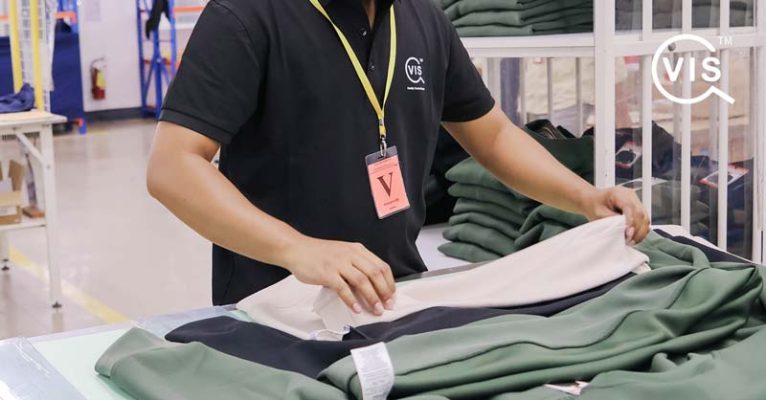
Why Textile Inspection Is Critical for B2B Businesses
1. Risk Mitigation Across the Supply Chain
Without proper garment inspection, even minor defects—such as uneven dyeing or incorrect sizing—can escalate into full shipment rejection.
2. Compliance with International Standards
Global buyers demand strict adherence to:
3. Brand Protection and Customer Trust
Consistent product quality directly impacts brand perception and long-term partnerships.
4. Cost Optimization
Fixing defects at the factory level is significantly cheaper than managing post-shipment claims or product recalls.
Types of Textile & Apparel Inspection Services
Pre-Production Inspection (PPI)
- Raw material verification (fabric, trims, accessories)
- Supplier capability assessment
- Risk identification before mass production
During Production Inspection (DUPRO)
- Conducted at 20–50% production stage
- Early detection of systemic issues
- Immediate corrective action
Final Random Inspection (FRI)
- Sampling based on AQL standards
- Visual and functional checks
- Pass/fail decision before shipment
Pre-Shipment Inspection (PSI)
- Conducted when 80–100% production is complete
- Packaging and labeling verification
- Final quality assurance before dispatch
Textile & Apparel Inspection Process (Step-by-Step)
Step 1 – Inspection Planning
- Define AQL level and sampling size
- Customize inspection checklist
- Align with buyer specifications
Step 2 – On-Site Product Inspection
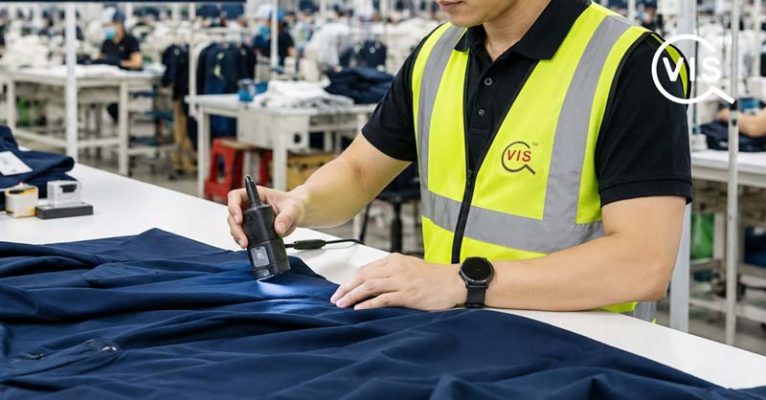
- Visual inspection of garments
- Measurement verification
- Functional testing (zippers, buttons, elasticity)
Step 3 – Defect Classification
- Critical defects – safety risks
- Major defects – functional or usability issues
- Minor defects – cosmetic imperfections
Step 4 – AQL Evaluation
- Determine acceptance or rejection of shipment
Step 5 – Inspection Report
- Delivered within 24 hours
- Includes photos, videos, and defect analysis
- Actionable recommendations
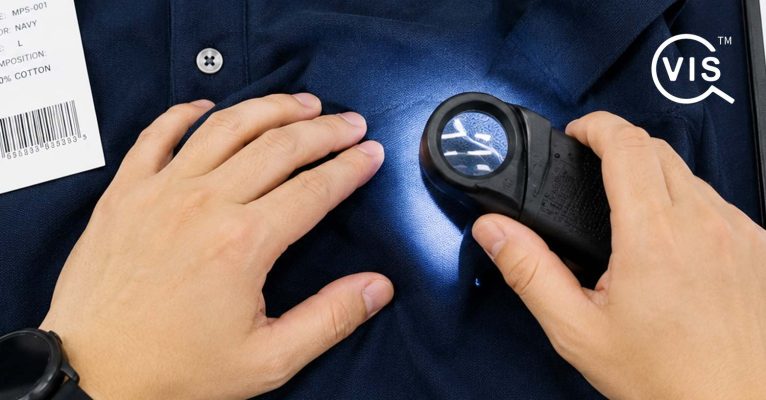
Textile & Apparel Inspection Checklist (Featured Snippet Optimized)
✅ General Checks
- Quantity verification
- SKU and barcode accuracy
- Packing list compliance
✅ Visual Inspection
- Fabric defects (holes, stains, uneven dyeing)
- Stitching quality (loose threads, seam strength)
- Color consistency across batches
✅ Measurement Inspection
- Size specification compliance
- Tolerance range verification
✅ Functional Testing
- Zipper performance test
- Button pull test
- Elastic recovery test
✅ Packaging Inspection
- Carton integrity and durability
- Drop test compliance
- Shipping marks accuracy
Common Defects in Garment Inspection
Critical Defects
- Hazardous materials
- Sharp components
- Non-compliance with safety regulations
Major Defects
- Incorrect sizing
- Color mismatch
- Broken seams or stitching defects
Minor Defects
- Light stains
- Slight thread irregularities
Proper defect classification ensures accurate AQL decisions and protects shipment quality.
Case Study – VIS Global Quality Control in Action
Client: Korean Apparel Brand
Challenge:
- High defect rate (~12%)
- Frequent shipment rejections
Solution:
- Implemented DUPRO inspection
- Customized inspection checklist aligned with brand requirements
- Strengthened AQL control
Results:
- Defect rate reduced to 3.5%
- Shipment acceptance rate increased to 95%
- ~30% cost reduction in rework and returns
Why Choose VIS Global Quality Control?
Industry Expertise in Textile Inspection
- Deep experience across apparel, footwear, and accessories
Fast and Transparent Reporting
- Inspection reports delivered within 24 hours
- Full photo and video documentation
Strong Regional Coverage
- Inspectors across Vietnam, China, and Southeast Asia
Cost-Efficient Solutions
- Flexible pricing tailored to B2B clients
Internal Links (Boosting SEO Topical Authority)
Explore more inspection services:
- Footwear Inspection Service: https://test.visgl.com/footwear-inspection-quality-control-vis-global-quality-control/
- Electronic Quality Control: https://test.visgl.com/electronic-quality-control-service/
- Food Inspection Service: https://test.visgl.com/dried-food-inspection-korean-client-food-quality-control-vis-global/
Authoritative External Resources
- ISO Standards: https://www.iso.org
- AQL Guidelines (ASQ): https://asq.org/quality-resources/acceptance-sampling
FAQ – Textile & Apparel Inspection
What is textile inspection?
Textile inspection is the process of evaluating garments and fabrics to ensure they meet predefined quality standards before shipment.
When should inspection be conducted?
- Before production (PPI)
- During production (DUPRO)
- Before shipment (PSI)
What is AQL in garment inspection?
AQL (Acceptable Quality Limit) defines the maximum number of acceptable defects in a shipment batch.
Why use third-party inspection services?
Third-party inspection ensures objectivity, reduces risk, and enhances trust with international buyers.
Conclusion
A reliable textile & apparel inspection service is not just a quality checkpoint—it is a strategic investment in operational excellence, brand protection, and sustainable growth.
By partnering with an experienced third-party provider like VIS Global Quality Control, businesses can confidently scale their global sourcing operations while maintaining consistent product quality.
🚀 Don’t let quality issues disrupt your supply chain
With VIS Global Quality Control, you can:
- Reduce shipment risks
- Ensure compliance with international standards
- Strengthen buyer trust and long-term partnerships
👉 Book your textile inspection today
👉 Download FREE Sample Inspection Report
👉 Get expert consultation within 24 hours
🌐 Website: https://test.visgl.com