Factory Audit
[ux_image id=”5117″]
If you’re sourcing products from overseas suppliers, you may have heard of a factory audit. But what exactly is it, and why is it important for your business?
What is a Factory Audit?
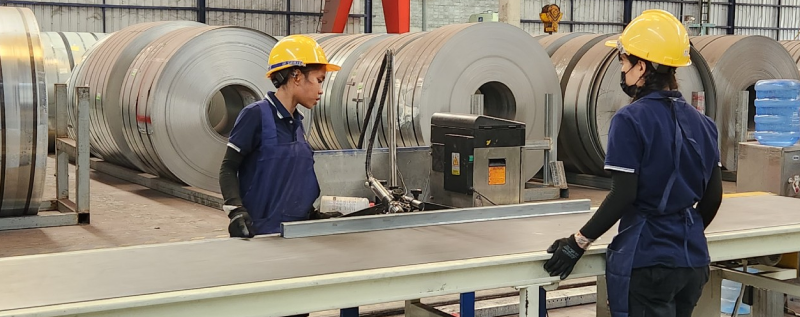
A factory audit is an evaluation of a supplier’s production facilities to verify their compliance with the buyer’s requirements. The auditor examines the supplier’s equipment, workforce, processes, and working environment to ensure they have the capacity and capability to deliver quality products and services according to your specifications.
A factory audit can be conducted as a final step when selecting a potential supplier or as a tool for monitoring an existing supplier’s performance.
What are the Benefits of Factory Audits?
Factory audits offer several benefits that help reduce risks in your supply chain:
✅ Evaluate supplier capabilities: Understand the supplier’s ability, product quality, and reliability before entering a business relationship.
✅ Ensure compliance: Verify that the supplier meets your standards for quality, ethics, environmental responsibility, and safety, as well as applicable regulations.
✅ Identify and mitigate risks: Detect any potential issues that could impact product quality, delivery timelines, brand reputation, or profitability.
✅ Build strong partnerships: Establish long-term, transparent relationships with suppliers and improve overall supply chain performance.
What are the types of Factory Audits?
Depending on your needs, different types of factory audits can be performed:
-
Quality System Audit: Evaluates how the supplier manages quality throughout production, including their equipment, procedures, and ability to meet your product specifications.
-
Ethical Audit: Reviews working conditions, labor practices, and compliance with social responsibility standards such as human rights and workplace safety.
-
Structural Audit: Assesses the construction and maintenance of the supplier’s facilities, including building integrity, fire safety, and overall working conditions.
-
Environmental Audit: Ensures compliance with environmental regulations and assesses pollution control, waste management, and sustainability efforts.
-
C-TPAT Audit (Customs-Trade Partnership Against Terrorism): Checks security protocols within the supply chain to prevent terrorism and smuggling.
-
Food Supplier Audit: Evaluates food suppliers’ hygiene, sanitation, handling, and storage practices to ensure compliance with food safety standards.
How to Conduct a Factory Audit
A factory audit typically involves the following steps:
-
Use a factory audit checklist or standard
Follow internationally recognized standards (e.g., ISO 9001, SA8000, ISO 14001, C-TPAT) or client-specific protocols with a clear evaluation and rating system. -
Inspect factory premises and operations
Examine the layout, cleanliness, maintenance, equipment, and worker performance. Assess the capacity and condition of machinery and the working environment. -
Review documentation and records
Evaluate the factory’s quality management system, certificates, licenses, production records, and test reports to confirm compliance. -
Interview factory personnel
Speak with management and staff to understand their roles, processes, and awareness of company policies. Assess their competence, communication, and responsiveness. -
Observe compliance and risk management
Assess the factory’s performance in social responsibility, environmental impact, and supply chain security measures.
Conclusion
A factory audit is a powerful tool that helps ensure your suppliers can meet your expectations and standards. It minimizes risks and improves transparency in your supply chain.
Need support with factory audits? contact us today. We offer:
✔️ Fast turnaround time
✔️ Detailed audit reports
✔️ Secure online report access
✔️ Competitive pricing
Let us help you evaluate your suppliers and protect your brand with confidence.